A Guide to Corporate Wellness Programs
A guide to corporate wellness programs that build strength, focus and sustainable routines with structured, low-impact movement for healthier teams at work.

A strong team can still run on empty. Long hours at a desk, constant context-switching and a calendar with no breathing room can quietly affect posture, energy, concentration and morale. This guide to corporate wellness programs is for employers who want to offer more than a one-off perk and create a routine that helps people feel stronger, more focused and more balanced at work.
The most effective programs do not try to solve every aspect of wellbeing at once. They give people a clear, accessible way to move consistently, reset mentally and build habits that carry beyond a single session.
What corporate wellness programs should achieve
A corporate wellness program is not simply a collection of benefits. It is a structured offer that supports employees’ physical and mental wellbeing while recognising the realities of working life. For many teams, that means reducing the effects of prolonged sitting, creating a useful break from screen-based work and making movement feel possible even for people with busy schedules.
The strongest programs are designed around outcomes rather than activity alone. A lunchtime session should not just fill an hour. It should help participants return to their desks with more energy, better body awareness and a clearer head. A recurring class should not feel like another obligation. It should provide a reliable point of structure in the week.
For employers, the value is broader than attendance numbers. A thoughtful wellbeing offer can support team connection, show genuine care and help create a workplace culture where sustainable performance matters. It is not a substitute for fair workloads, psychological safety or good leadership. It works best alongside them.
Start with the needs of your team
Before choosing a provider or setting a budget, understand what would make employees use the program. A high-energy workout may suit some teams, while others need a low-impact option that supports mobility, strength and stress management without leaving them depleted for the afternoon.
Consider the working pattern. Hybrid teams may need bookable sessions at different times or a mixture of in-person and digital options. A client-facing business may have little freedom at midday, making early morning or late afternoon sessions more realistic. For an organisation with a wide range of fitness experience, the offer must feel welcoming to the person who has never attended a studio class as much as to the regular trainer.
A short, anonymous survey can reveal practical barriers: preferred times, confidence levels, commute patterns and whether people would value movement, recovery education or team-based events. Ask direct questions and avoid assuming that free access alone creates participation.
Build for inclusion, not pressure
Wellness can become counterproductive when employees feel judged for not taking part. Participation should be voluntary, private and free from performance expectations. Avoid leaderboards, public body transformations or challenges that reward extremes.
Instead, frame the program around how people want to feel: more mobile after a day at a desk, steadier under pressure, stronger in everyday movement or better able to switch off after work. This keeps the message practical and inclusive.
It also matters to offer a genuine entry point. A beginner should know what to expect, what to wear and whether they can participate without prior training. Clear guidance removes friction before a first session begins.
Choose movement that supports working bodies
Not every corporate fitness option serves every workforce. High-intensity formats can be motivating for experienced participants, but they may discourage beginners or feel impractical in the middle of a demanding workday. Equally, a program built only around passive relaxation may not meet the needs of employees who want to build physical capability.
Controlled, low-impact resistance training offers a useful middle ground. It challenges muscles, balance and endurance without relying on impact or speed. The emphasis is on form, tension and control, which can be particularly valuable for people who spend much of the day seated or working under sustained mental pressure.
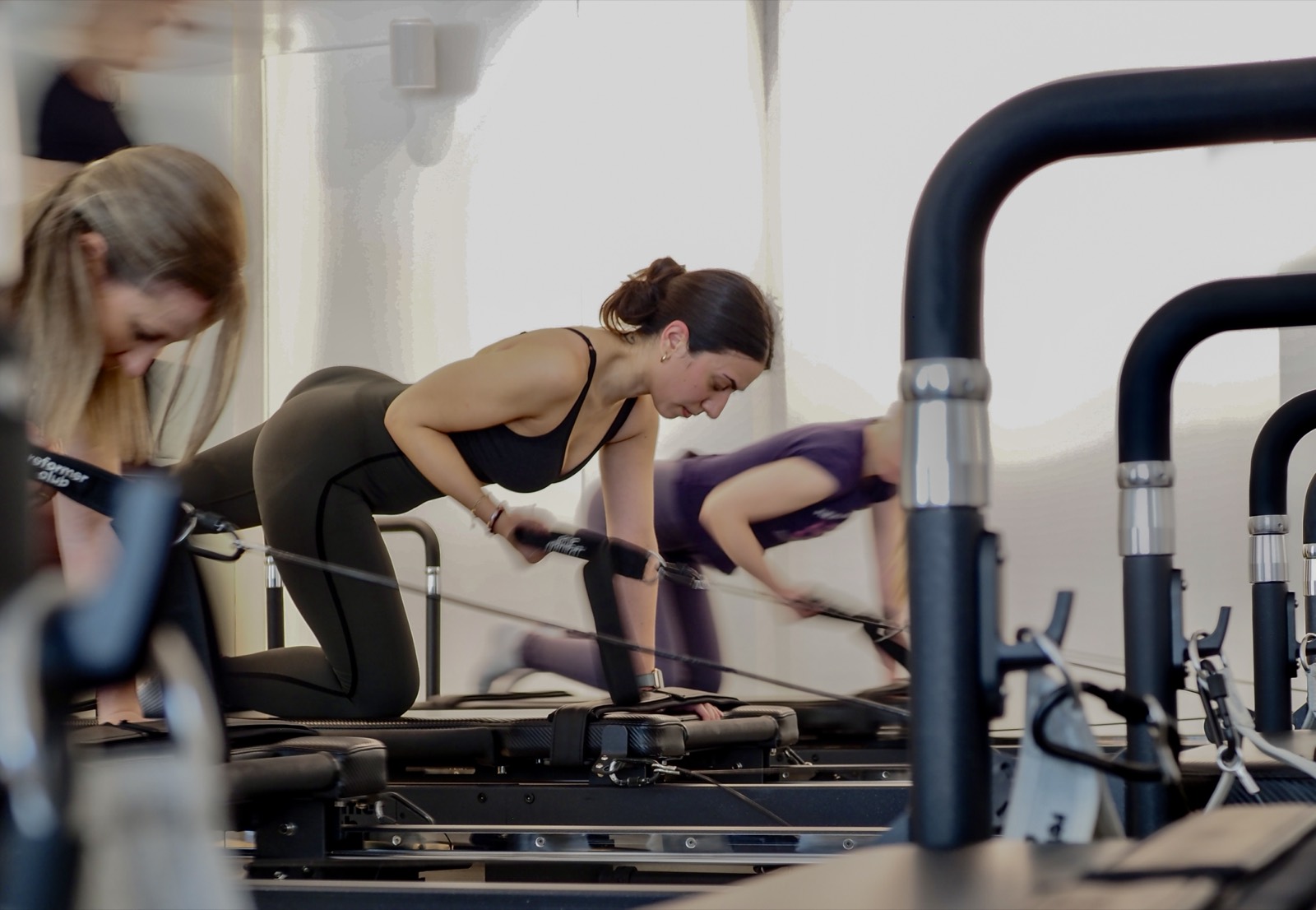
Reformer Pilates is one example of this approach. With adjustable resistance and instructor-led structure, it can be adapted across experience levels while still feeling purposeful for stronger participants. The focus on alignment, core control and precise movement gives employees an active reset rather than a generic exercise break.
For teams in Basel, Reformer Club can structure corporate sessions around Slow Resistance Training, combining controlled movement with muscular tension, endurance and focus. The aim is not to push everyone through the same intensity. It is to give each participant a challenging, supportive session they can return to consistently.
Design a program people can sustain
Consistency matters more than a grand launch. A single wellness day can create interest, but it rarely changes routines. Start with a pilot of six to eight weeks, then use what you learn to shape the next phase.
A sustainable format usually has three qualities: a predictable schedule, simple booking and a clear participant journey. If a person has to search through multiple systems, request approval or commit to an inflexible block of sessions, attendance will drop. If they can see the next available class and understand its level, taking part becomes easier.
For an in-studio program, consider reserving a regular weekly slot for your team. This gives the initiative visibility and helps colleagues build a shared rhythm. For smaller groups, subsidised class credits may offer more flexibility, allowing employees to attend at times that fit their schedules.
There is a trade-off. A fixed team session can build connection and accountability, but it may exclude employees with meetings, caring responsibilities or different working hours. Flexible credits improve access but can feel less communal. Some organisations combine both: one recurring team class plus individual options for those who cannot attend.
Give people a clear progression path
A program should not leave participants wondering where they belong after their first class. Offer a beginner route for those new to reformer training, then provide a natural next step as confidence and strength build.
At Reformer Club, a clear class pathway can support this progression: START introduces foundational movement and form, SIGNATURE develops control and endurance, and BURN provides a more advanced challenge. In a corporate context, this structure helps employees choose a session that matches their current level rather than comparing themselves with others.
Progression does not have to mean harder every week. It can also mean better control, improved posture, stronger movement patterns and greater confidence in the body. These are meaningful results for people who want training to support life, not take it over.
Make communication specific and credible
The way a program is introduced affects who feels invited. Avoid broad claims about becoming your best self or changing your body. Employees are more likely to engage when the message is grounded in the reality of their day.
Explain what the session involves, how long it lasts and who it is for. Tell participants that they can come as they are, that beginners are welcome and that the class has a clear instructor-led format. If the program takes place during working hours, state that clearly and make management support visible.
It also helps to set expectations around effort. A low-impact class can still be demanding. Controlled resistance work may create muscular fatigue, but it should leave participants feeling capable and more connected to their bodies. Honest positioning builds trust and attracts the right participants.
Managers have a role here. When leaders protect time for wellbeing rather than treating it as something employees must fit around their workload, participation becomes more realistic. The message is simple: taking care of your capacity is part of doing good work, not separate from it.
Measure what matters
Attendance is useful, but it is only one measure. A fully booked first session may reflect curiosity rather than long-term value. Look for repeat participation, a spread of employees across departments and whether beginners feel comfortable returning.
Use brief feedback questions after the pilot. Ask whether sessions fit into the working week, whether the level felt appropriate and how participants felt afterwards. You may also ask whether they noticed changes in energy, focus, posture or stress. Keep responses anonymous and use them to improve the program, not to assess individuals.
Be cautious with health data. Employers should not request personal medical information or make wellbeing participation visible to colleagues. Privacy is part of a credible program, especially in a workplace setting.
Qualitative feedback can be as valuable as statistics. When people say a session helped them return to work calmer, gave them a reason to step away from the desk or made exercise feel less intimidating, that signals a program with practical value.
Give wellbeing a place in the working week
Corporate wellness works when it respects the whole person: the employee with a full diary, the beginner who is unsure where to start and the regular mover looking for a more intelligent challenge. The best program is not the most elaborate one. It is the one people can genuinely attend, enjoy and repeat.
Create a rhythm that gives your team space to build strength, control and focus. A well-planned hour of movement can become more than time away from work. It can be the point in the week where people leave feeling more steady, more capable and ready for what comes next.