How to Prepare for Your First Reformer Class
Prepare for your first reformer class with clear advice on what to wear, when to arrive, how to move and what to expect in your first session in Basel.
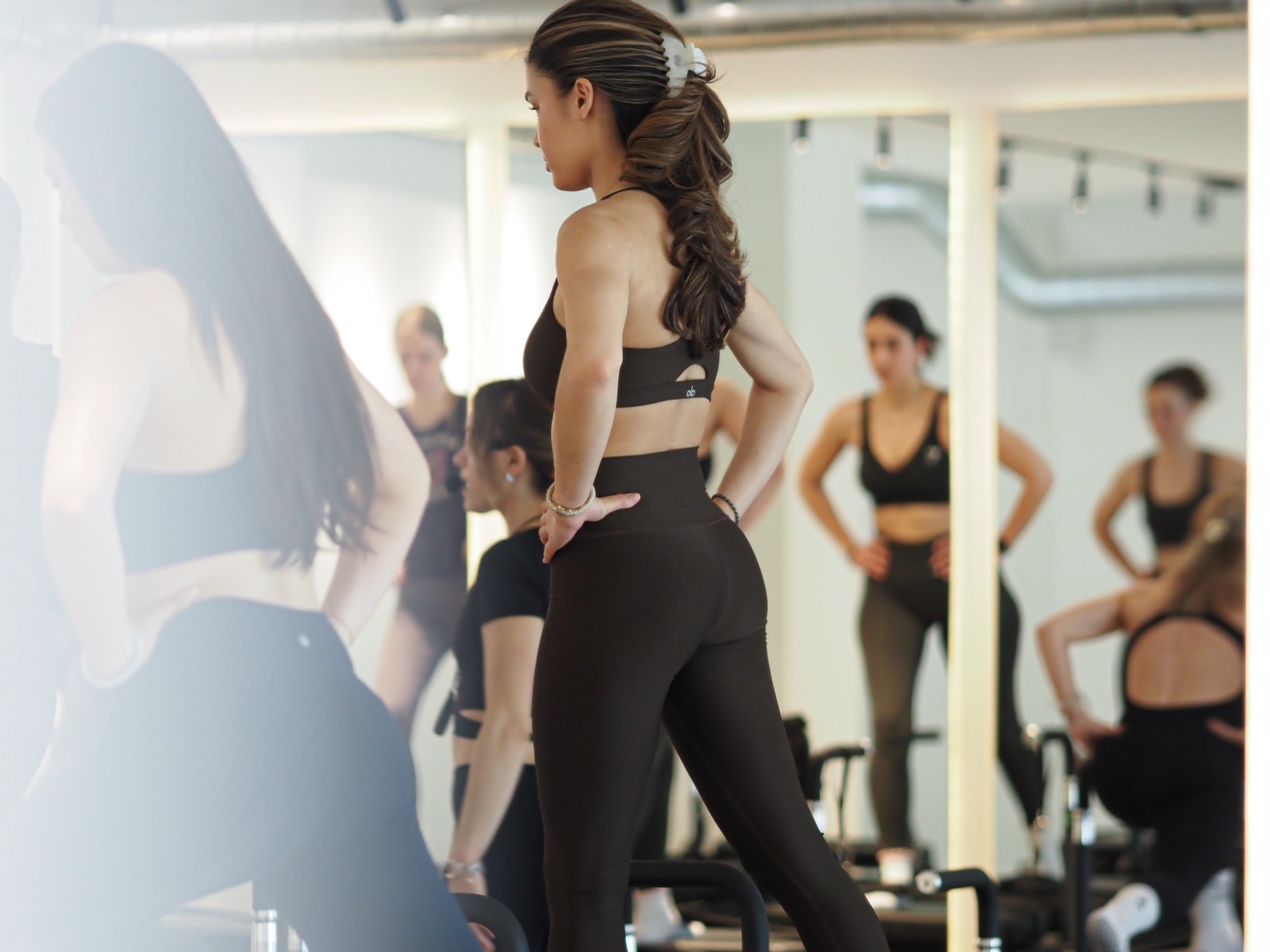
The first time you step onto a Reformer, the moving carriage, springs and straps can look more technical than a mat class. That is exactly why a well-coached beginner session is so effective. To prepare for first reformer class with confidence, focus on a few simple things: arrive with time, wear clothing you can move in, and let precision matter more than pace.
You do not need Pilates experience, exceptional flexibility or a certain fitness level to begin. You only need a willingness to slow down, listen closely and work with controlled resistance. Your first session is not a test. It is the starting point for building strength, balance, posture and focus with intention.
Choose the right starting class
Begin with a class designed for beginners. At Reformer Club, START is the natural entry point: a structured introduction to the Reformer and the principles behind Slow Resistance Training. You will learn how the equipment feels, how to set up safely and how to create muscular tension without rushing through the movement.
This matters because the Reformer can be adapted in many ways. Springs add resistance, but they can also support a movement. A lighter setting is not always easier, and a heavier setting is not automatically better. Your trainer will select options that make sense for the exercise and help you find the right level of challenge.
If you have trained before, it can be tempting to choose a more intense class immediately. Still, Reformer Pilates rewards familiarity with form. Starting at the right level gives you a stronger base for progressing into SIGNATURE and, later, BURN. You will get more from the work when you understand how to stabilise, control the carriage and maintain alignment under tension.
What to wear to your first Reformer class
Choose fitted, comfortable activewear that lets your trainer see your alignment and lets you move freely. Leggings, shorts, a supportive top or T-shirt are all suitable. Very loose layers can catch or shift during exercises, while restrictive clothing can make deep bends, lunges and core work less comfortable.
Grip socks are essential. They help you stay secure when you are standing on the carriage or working with your feet in different positions. Bring a pair if you have them, or check the studio's available options before your class.
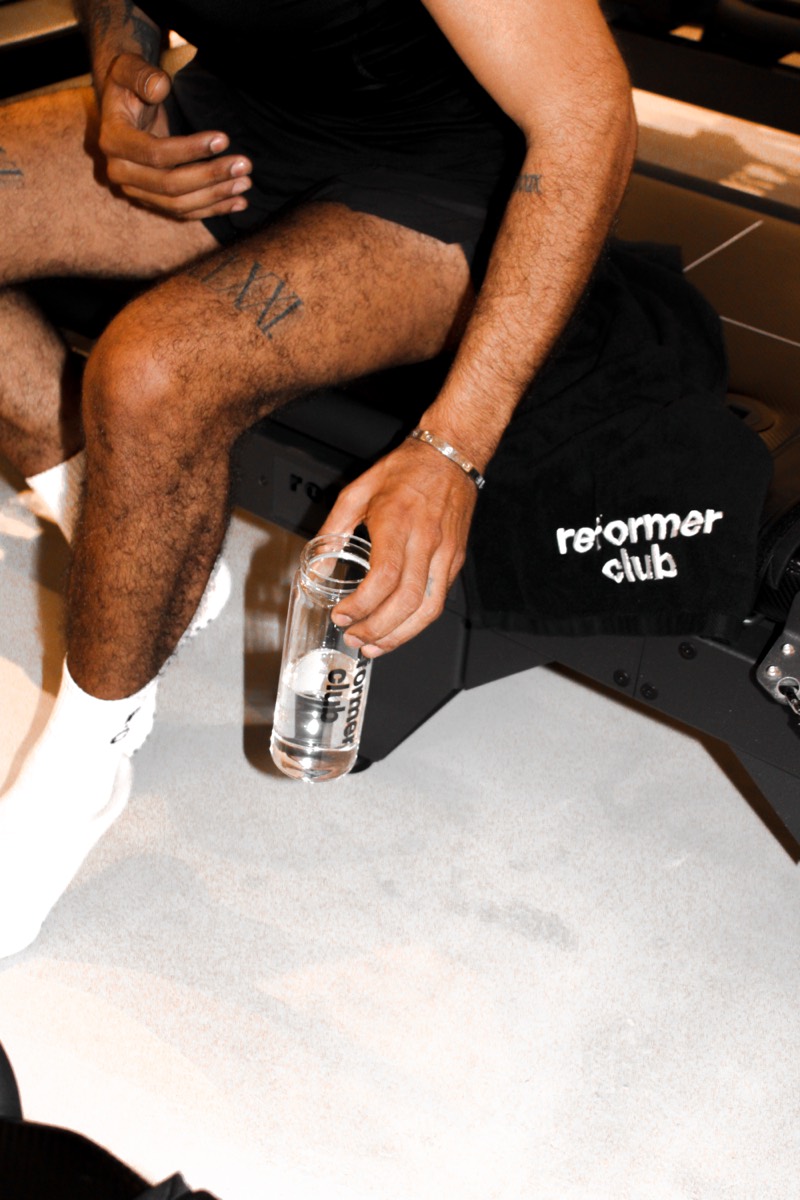
You do not need specialist Pilates clothing or a complicated pre-class routine. Aim to feel comfortable, supported and ready to focus. Remove jewellery that may get in the way, tie back long hair, and bring water for after class or for a quick sip when needed.
Arrive early enough to settle in
For a first class, arrive around 10 to 15 minutes early. That small window makes a meaningful difference. You can check in without rushing, meet your trainer and become familiar with the studio before the session starts.
Tell your trainer that it is your first Reformer class, even if you have done mat Pilates, strength training or another fitness format. Mention any injuries, pain, recent surgery, pregnancy or relevant health considerations before class begins. This helps your trainer offer appropriate adjustments and ensures you are working within a suitable range.
If you are coming straight from work, give yourself a moment to change gears. Reformer training asks for concentration. A few calm minutes before class can make it easier to connect with your breath, notice how your body feels and arrive mentally as well as physically.
What happens during a beginner Reformer session
Your trainer will introduce the machine and explain its key parts, including the carriage, footbar, straps and springs. You do not need to memorise every name at once. The most useful thing you can do is follow instructions carefully and ask if you are unsure where something should be set.
Expect a considered pace. In Slow Resistance Training, the aim is not to complete as many repetitions as possible. The work comes from sustained tension, controlled transitions and precise positioning. A slower movement can feel surprisingly demanding because your muscles have less opportunity to switch off.
You may begin lying down or seated, using the footbar to establish lower-body alignment and core connection. From there, the class can move through upper-body resistance work, standing sequences, balance challenges and focused abdominal exercises. Every session is different, but the underlying priorities stay consistent: breath, control, range and form.
There will be moments when a movement feels unfamiliar. That is normal. The Reformer responds to how you move, so small changes in your rib position, pelvis, shoulders or foot placement can change the exercise significantly. Rather than trying to copy the person next to you, return your attention to your own set-up and your trainer's cues.
Let form set the pace
The most common beginner mistake is treating the springs like a competition. Reformer work is not about forcing the carriage as far as it can go or choosing the strongest resistance available. It is about maintaining control throughout the full movement, including the return.
Think of each repetition in three parts: set your position, move with intention, then return without letting the springs take over. If your shoulders lift, your lower back tightens or you lose control of the carriage, reduce the range or ask for a modification. That is intelligent training, not a step backwards.
Breathing will help more than you expect. A steady exhale can support deeper core engagement and help you stay composed when the work becomes intense. There is no need to hold your breath to prove effort. Strength on the Reformer often looks calm, even when your muscles are working hard.
Give yourself permission to ask questions
A good first session includes learning. If you do not understand an instruction, cannot find a position comfortably or need a spring adjustment, say so. Trainers would rather help you immediately than have you work through discomfort or uncertainty.
You may also notice that one side of your body feels steadier or stronger than the other. This is useful information, not something to hide. Reformer training can reveal patterns in balance, mobility and control, then give you a practical way to improve them over time.
Eat, hydrate and manage expectations
Have a light meal or snack beforehand if you need one, especially if you are training after a long workday. Avoid arriving overly full, as you may spend time lying down, curling forward or working through rotational movements. Water is useful, but you do not need to overdo it immediately before class.
Afterward, you may feel your legs, glutes, core, arms or smaller stabilising muscles in ways that differ from a conventional gym workout. Delayed muscle soreness can happen, particularly after your first session. Gentle movement, normal hydration and a good night's sleep are usually enough to support recovery.
Do not judge the class only by how much you sweat. Some sessions will feel intensely muscular; others may challenge your balance, coordination and concentration more. Both count. Progress comes from returning consistently enough for the positions and resistance to become familiar, then gradually more demanding.
Your first Reformer class is a chance to train with more attention, not more pressure. Come as you are, stay curious about the details, and leave with the quiet satisfaction of having moved with real control.