A Reformer Benefits List for Better Training
This reformer benefits list explains how controlled resistance training builds strength, posture, balance, endurance, and focused movement for daily life.
A demanding workout does not need to leave your joints feeling punished. The most useful reformer benefits list starts with that distinction: intelligent resistance can challenge your muscles deeply while keeping every movement controlled, aligned, and purposeful. For people balancing full workdays, busy schedules, and a desire to feel genuinely stronger, that combination matters.
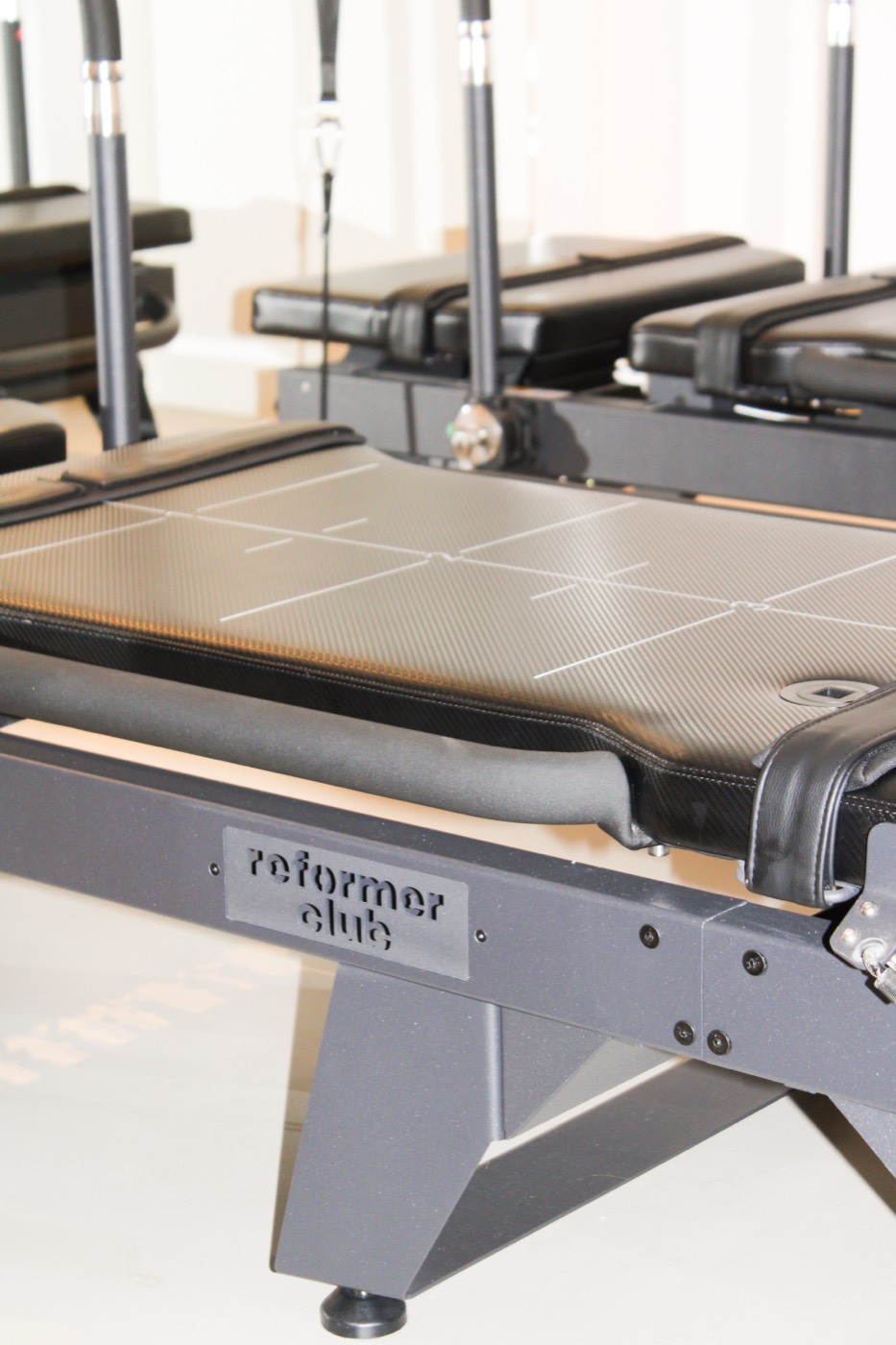
Reformer Pilates is not simply about moving through familiar exercises on a machine. Springs create resistance in both directions, asking you to press, pull, stabilise, and return with control. The result is a training practice that builds physical capacity while sharpening your awareness of how you move.
Reformer benefits list: 10 reasons it works
1. It builds strength through sustained tension
On a reformer, the challenge is rarely about rushing through repetitions. It is about keeping tension where it belongs for the full movement. Your legs work during a slow carriage press, your back engages as you control a row, and your arms have to stay organised rather than relying on momentum.
This is where Slow Resistance Training is especially effective. Time under tension asks muscles to work with more intention, helping develop strength that feels stable, balanced, and usable beyond the studio. It can be demanding with light-to-moderate spring settings because precision, not just load, creates the challenge.
2. It supports stronger posture
Posture is not one position you force yourself to hold all day. It is the ability to support your body in different positions, whether you are sitting at a desk, carrying a bag, climbing stairs, or standing in a meeting.
Reformer work repeatedly trains the muscles around the upper back, shoulders, hips, and deep trunk. With clear cues and controlled resistance, you learn to notice when the ribs flare, shoulders creep forward, or the pelvis loses its neutral position. Over time, that awareness can make upright alignment feel less like effort and more like support.
3. It develops core control beyond crunches
A capable core does more than create a strong-looking midsection. It transfers force between your upper and lower body, supports spinal movement, and helps you remain steady when the exercise becomes less stable.
The moving carriage makes that work very clear. During lunges, planks, standing sequences, and supine leg work, the trunk must respond to the springs without gripping or holding the breath. You are not just training your abs. You are training control, coordination, and the ability to stay centred under resistance.
4. It is low impact without feeling easy
Low impact does not mean low effort. A reformer class can create serious muscular fatigue, raise your heart rate, and test endurance without repetitive jumping or heavy impact through the joints.
That makes the method a strong option for people who want intensity with a more considered approach to training. It can also sit well alongside running, cycling, strength training, or sport, depending on your recovery needs and weekly schedule. The right level of resistance and range of motion matters, particularly when you are returning after time away from exercise.
5. It improves balance and body awareness
Balance is not reserved for advanced athletes. It helps with everyday confidence, from stepping off a tram to moving quickly on uneven streets. On the reformer, balance is constantly being trained because the carriage responds to how evenly and steadily you apply force.
Single-leg work, kneeling positions, and standing exercises reveal side-to-side differences quickly. That feedback is useful, not discouraging. It gives you a practical opportunity to work with greater symmetry, steadiness, and control rather than simply repeating your stronger side.
6. It builds endurance with precision
Strength helps you produce force. Endurance helps you maintain quality when the effort lasts longer. Reformer training develops both by pairing deliberate tempo with extended sets, transitions, and full-body sequences.
The key is that fatigue does not become an excuse for careless form. As the legs begin to shake or the arms start to burn, the focus remains on alignment, breathing, and controlled returns. This creates a different kind of endurance: the ability to stay composed and technically present when the work becomes challenging.
7. It can improve mobility through active range
Mobility is not about forcing a deeper stretch. It is about having access to a range of motion that you can actively control. The reformer supports this by allowing you to move through positions with adjustable spring assistance or resistance.
Hip work, spinal articulation, shoulder movement, and hamstring lengthening can all be explored with more feedback than floor-based movement alone. Still, more range is not always better. The goal is a range that feels supported, pain-free, and useful for your body, not an impressive shape at any cost.
8. It demands focus and creates mental space
A well-taught reformer session leaves little room for autopilot. You are listening for the next setup, feeling the spring response, adjusting your breath, and refining a small detail that changes the entire exercise.
For many people, that concentration becomes one of the most valuable benefits. A class offers an hour where work notifications, to-do lists, and outside noise take a back seat. You leave with muscles worked, but also with a clearer sense of where your attention has been.
9. It offers progression without losing the fundamentals
The reformer can meet you at different stages because springs, positions, tempo, and complexity are all adjustable. A beginner may work on carriage control, breath, and basic alignment. A more experienced client may add unilateral loading, longer endurance blocks, more demanding balance work, or slower eccentric phases.
Progression is not always about making an exercise look more advanced. Sometimes it means using better form, choosing a spring that requires greater control, or staying connected through a longer set. At Reformer Club, the START, SIGNATURE, and BURN pathways make that progression clear, so challenge is earned rather than rushed.
10. It makes consistency more realistic
The best training method is the one you can return to. Reformer practice is structured enough to feel productive and varied enough to remain engaging. Each class gives you a clear beginning, focused work, and a finish that feels complete.
Consistency also becomes easier when training supports rather than competes with the rest of your life. Some weeks may call for a foundational session that reinforces control. Other weeks may be the right time for a higher-intensity class that tests endurance. Both can move you forward.
What determines your own reformer benefits?
Your results depend on more than the machine. Frequency, sleep, nutrition, stress, previous training experience, and the quality of your technique all play a role. Two classes per week performed with attention will often deliver more value than occasional sessions approached as a race.
It also depends on your goal. If you want better posture and body awareness, slower work with precise cueing may be the priority. If you are building fitness capacity, progressive resistance and endurance-focused sequences will matter more. If you already lift weights or run, reformer training can complement that work by developing control, mobility, and stability that support your main discipline.
If you have an injury, persistent pain, are pregnant, or are returning to movement after a significant health change, seek appropriate professional guidance and let your instructor know before class. Intelligent training starts with choosing the right variation, not pushing through a warning sign.
Start with control, then build intensity
Your first reformer classes do not need to be perfect. Come as you are, learn how the springs feel, and give yourself time to understand the method. The strength will build, the movement patterns will become more familiar, and the small details will start to make sense.
Choose a class level that lets you move with attention, then return often enough to notice the difference. The most meaningful benefit is not a single hard session. It is leaving each one a little more focused, strong, and balanced than when you arrived.