Does Reformer Pilates Build Muscle? The Real Answer
Does reformer pilates build muscle? Learn how controlled resistance, progressive tension and consistent practice support real strength gains over time.
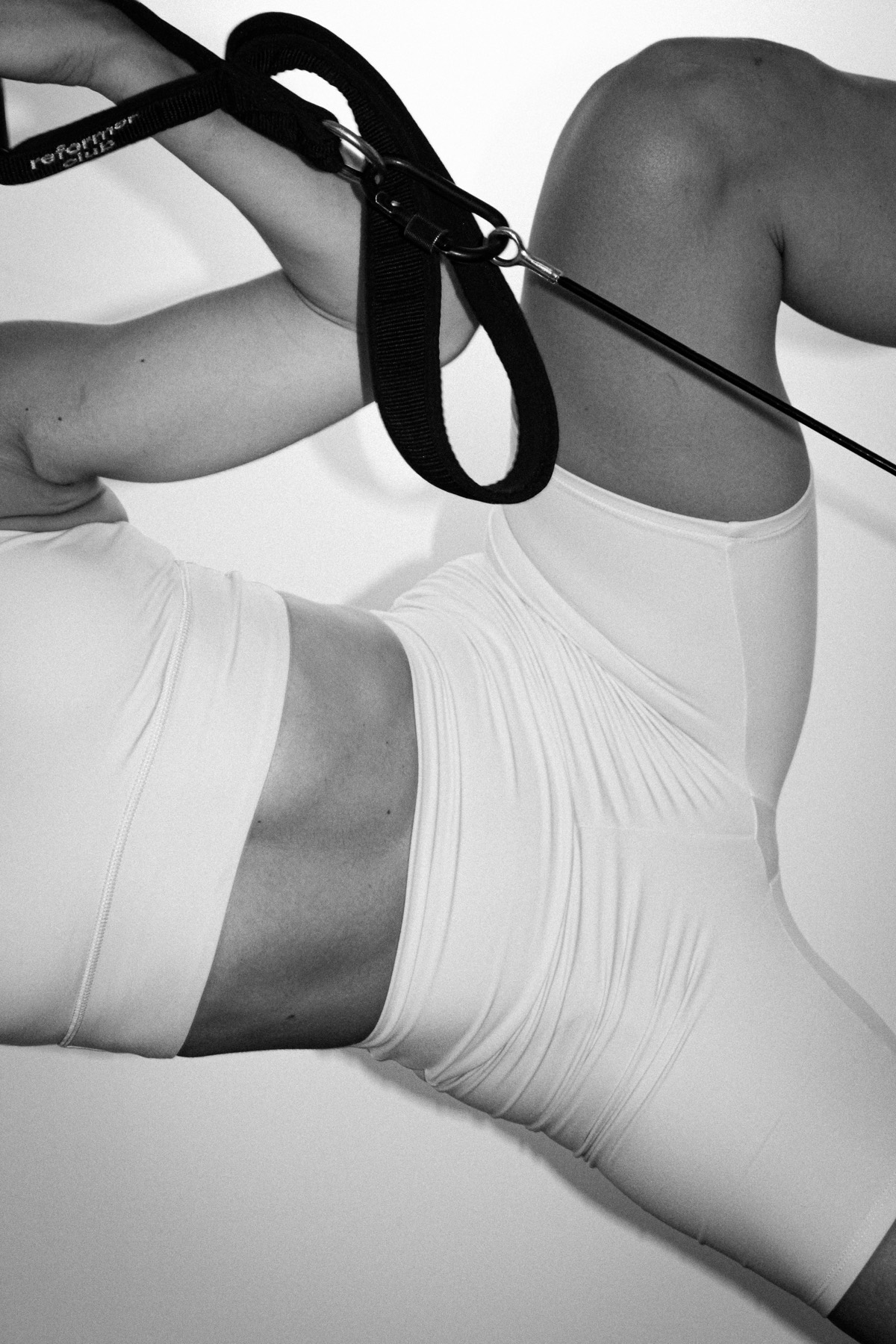
The shake that arrives halfway through a slow carriage press is not a sign that the workout is somehow less serious than lifting weights. It is your muscles working under sustained tension. So, does reformer pilates build muscle? Yes, it can build strength and muscle, particularly when classes use meaningful resistance, precise form and consistent progression. The result may look different from a traditional heavy-lifting programme, but it is real.
Reformer Pilates is especially effective for people who want capable, balanced strength without the impact of jumping, sprinting or heavily loaded barbell work. It asks your body to stabilise, control and resist through every phase of a movement. That combination can create stronger muscles, improved endurance and the confident posture that carries into the rest of your day.
How Reformer Pilates Builds Muscle
Muscle adapts when it is challenged beyond what it is used to doing. This is often described as progressive overload. In a gym, that may mean adding weight to a squat. On a reformer, progression can come from heavier springs, a longer lever, slower tempo, more repetitions, reduced support or a more demanding position.
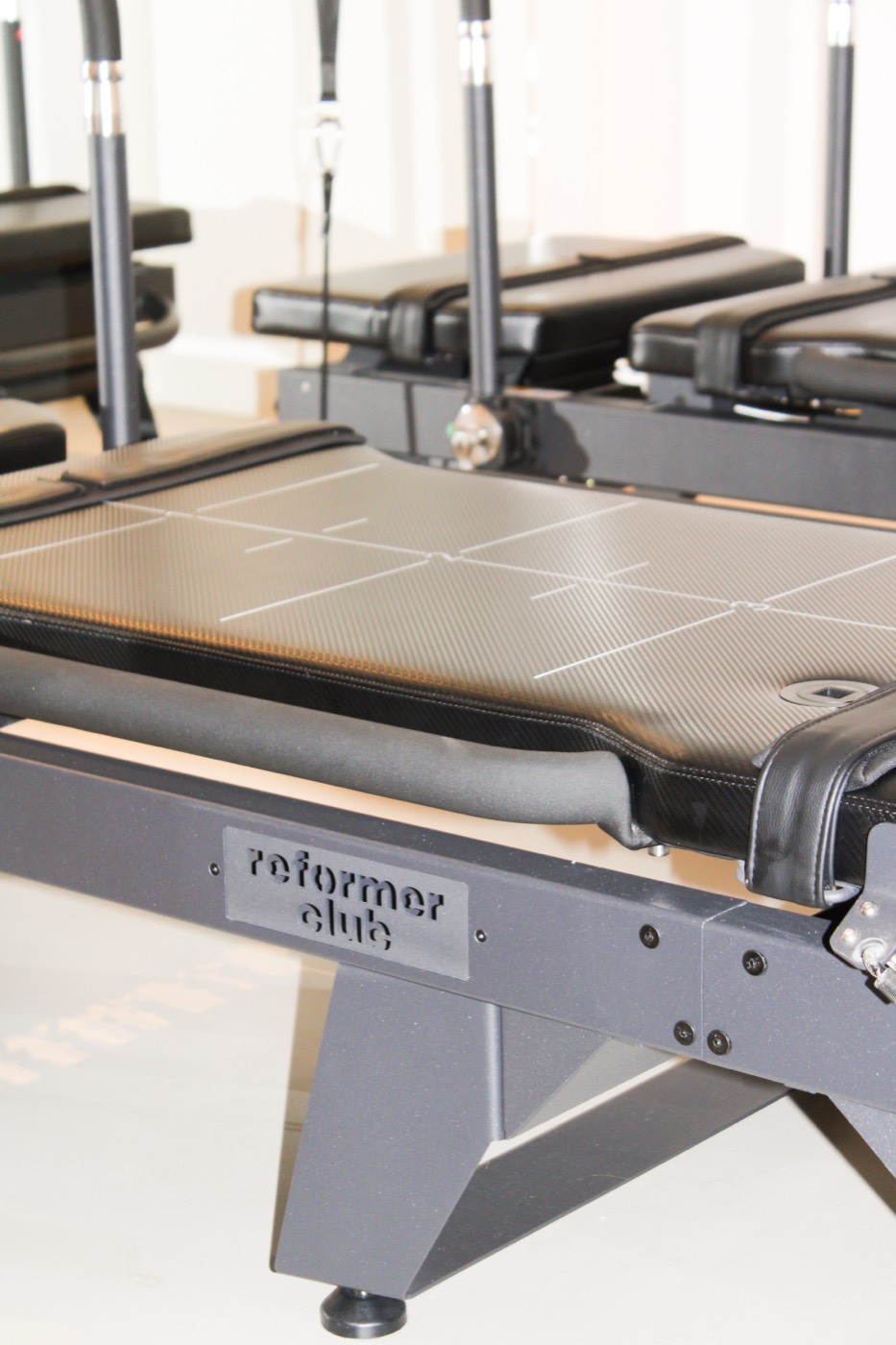
The springs are not simply there to make exercises easier. Depending on the movement, they create resistance that your muscles must press, pull or control. During a slow lunge, chest press or carriage hold, the muscles are not only moving the load. They are working to keep the carriage steady, the pelvis aligned and the ribs controlled.
That is where the reformer becomes highly effective. It creates continuous feedback. If you rush, lose alignment or allow momentum to take over, you feel it immediately. Good instruction turns that feedback into better recruitment: glutes working instead of the lower back taking over, shoulders supported instead of gripping, and deep abdominal muscles helping you move with control.
Tension matters more than speed
Slow Resistance Training is demanding because it increases time under tension. A controlled lowering phase, a pause at the hardest point and a deliberate return all make a moderate spring feel substantial. Your muscles have less opportunity to coast through the movement.
This does not mean every repetition should be painfully slow. It means the pace has purpose. When you own the movement rather than chase it, you can keep tension where it belongs. That is a powerful stimulus for muscular endurance and, over time, muscle development.
Small muscles do important work
Reformer training often makes people aware of muscles they have not felt clearly before: the side glutes that steady the pelvis, the upper back muscles that support posture, the hamstrings that help control hip movement, and the deep core that creates a stable base.
These muscles may not deliver the immediate visual drama of a heavy deadlift, but they matter. They help you move more efficiently, maintain alignment under load and develop strength that feels connected rather than isolated. The larger muscle groups are working too - particularly the legs, glutes, core, back, chest and arms - but the reformer asks them to work as part of a coordinated system.
Does Reformer Pilates Build Muscle Like Weight Training?
It depends on what you mean by “build muscle.” If your primary goal is maximum muscle size, traditional resistance training with progressively heavier external loads is generally the more direct route. Barbells, dumbbells and machines make it easier to apply very high loads, especially for experienced lifters.
Reformer Pilates can still support visible definition and meaningful strength gains, particularly for beginners, people returning to training, or anyone whose previous workouts have lacked consistency. It can also be an excellent complement to strength training. The reformer develops control, joint stability, mobility under tension and muscular endurance, all of which can improve the quality of your lifting elsewhere.
The trade-off is simple: the reformer is not designed to turn every class into a maximal-load session. Its advantage is intelligent resistance delivered with lower impact. For many bodies and lifestyles, that makes it easier to train regularly, recover well and build strength without constantly feeling beaten up.
Strength, definition and size are different outcomes
These terms are often used interchangeably, but they are not the same. Strength is your ability to produce and control force. Muscular endurance is your ability to sustain effort. Muscle definition depends on the size of the muscle as well as body composition, genetics, nutrition and recovery.
A consistent reformer practice can improve all three, but not at the same rate for everyone. You may first notice that stairs feel easier, your posture is more upright, your core is steadier and you can hold positions that once felt impossible. Visible changes tend to follow consistent training and supportive daily habits, not one particularly intense class.
What Makes a Reformer Class Effective for Muscle Growth?
The best sessions are not necessarily the ones that leave you most exhausted. They are the ones where form stays sharp while the challenge gradually increases. Muscle-building potential rises when you train close enough to fatigue that the final repetitions require focus, yet not so far that compensation takes over.
At Reformer Club, this is the intention behind a structured progression. START creates the foundations: carriage awareness, spring confidence, alignment and breath. SIGNATURE builds on those foundations with more complex sequences and sustained work. BURN raises the intensity for experienced participants who are ready for more endurance, control and challenge.
Moving through levels matters. If every session stays comfortably familiar, your body has little reason to adapt. If every session is beyond your current control, the work may shift into joints and momentum rather than muscle. The most effective place is the productive middle: challenged, precise and able to repeat the movement well.
Form is not a softer version of effort
Precise form is often mistaken for taking it easy. In reality, it can make an exercise much harder. A small adjustment to pelvic position can bring the glutes into a bridge. Keeping the ribs organised during an arm series can turn a casual press into focused upper-body work. Slowing the carriage on the return demands strength that momentum would otherwise hide.
That is why instructor cues are worth your attention. They are not decoration around the workout. They help direct resistance to the intended muscles and make each repetition count.
How Often Should You Practise?
For noticeable progress, aim for two to three reformer sessions per week. One class can be a valuable reset, but regular exposure gives your muscles a reason to adapt. Allow at least some recovery between demanding sessions, especially when you are new to resistance training or stepping into a higher level.
Consistency beats occasional intensity. Two well-executed classes each week for three months will do more for your strength than a short burst of daily training followed by a long break. Your body responds to repeated signals: tension, recovery, nourishment and sleep.
Protein intake also plays a practical role. Training creates the signal; adequate food supports adaptation. You do not need to make nutrition complicated, but regular meals with sufficient protein, carbohydrates and healthy fats will serve your training better than restriction and recovery shortcuts.
How to Know You Are Progressing
The scale is a poor judge of whether you are becoming stronger. Look instead for changes in your performance and control. Perhaps you can use a more challenging spring setting, hold a plank with steadier shoulders, complete an entire leg series without losing alignment or recover faster between sequences.
You may also notice changes outside the studio. Carrying shopping feels easier. Long desk days create less upper-back tension. You stand taller in photos without thinking about it. These are meaningful signs that your training is transferring into daily life.
Progress is not always linear. Some weeks your body will feel powerful; other weeks sleep, stress, travel or your cycle may change how a session feels. Meet that information with intelligence. Adjusting resistance or choosing a foundational class is not moving backwards. It is how you keep building a practice you can sustain.
Come as you are, choose the level that lets you move with control, and give your body enough consistent challenge to respond. The strongest result is not only a muscle that works harder - it is a body that feels more stable, focused and at home in its own strength.