SRT Versus Traditional Weightlifting Compared
Compare SRT versus traditional weightlifting to see how resistance, pace and form affect strength, posture, recovery and consistency in every session.
A heavy dumbbell is not the only way to make a muscle work hard. In SRT versus traditional weightlifting, the real difference is not whether you feel effort. It is how that effort is created, controlled and repeated. Both approaches can build meaningful strength, but they ask different things from your body, your attention and your weekly routine.
For people who want to feel stronger without making training another source of strain, that distinction matters. The best method is not automatically the one with the highest number on the bar. It is the one that challenges you with enough precision to support progress you can sustain.
SRT versus traditional weightlifting: the core difference
Traditional weightlifting usually centres on moving external load through a defined range of motion. That may mean barbells, dumbbells, kettlebells or machines. Progressive overload is often visible: add weight, add repetitions or complete more demanding variations over time. This is a highly effective framework for developing maximal strength, power and muscle mass when technique, programming and recovery are in place.
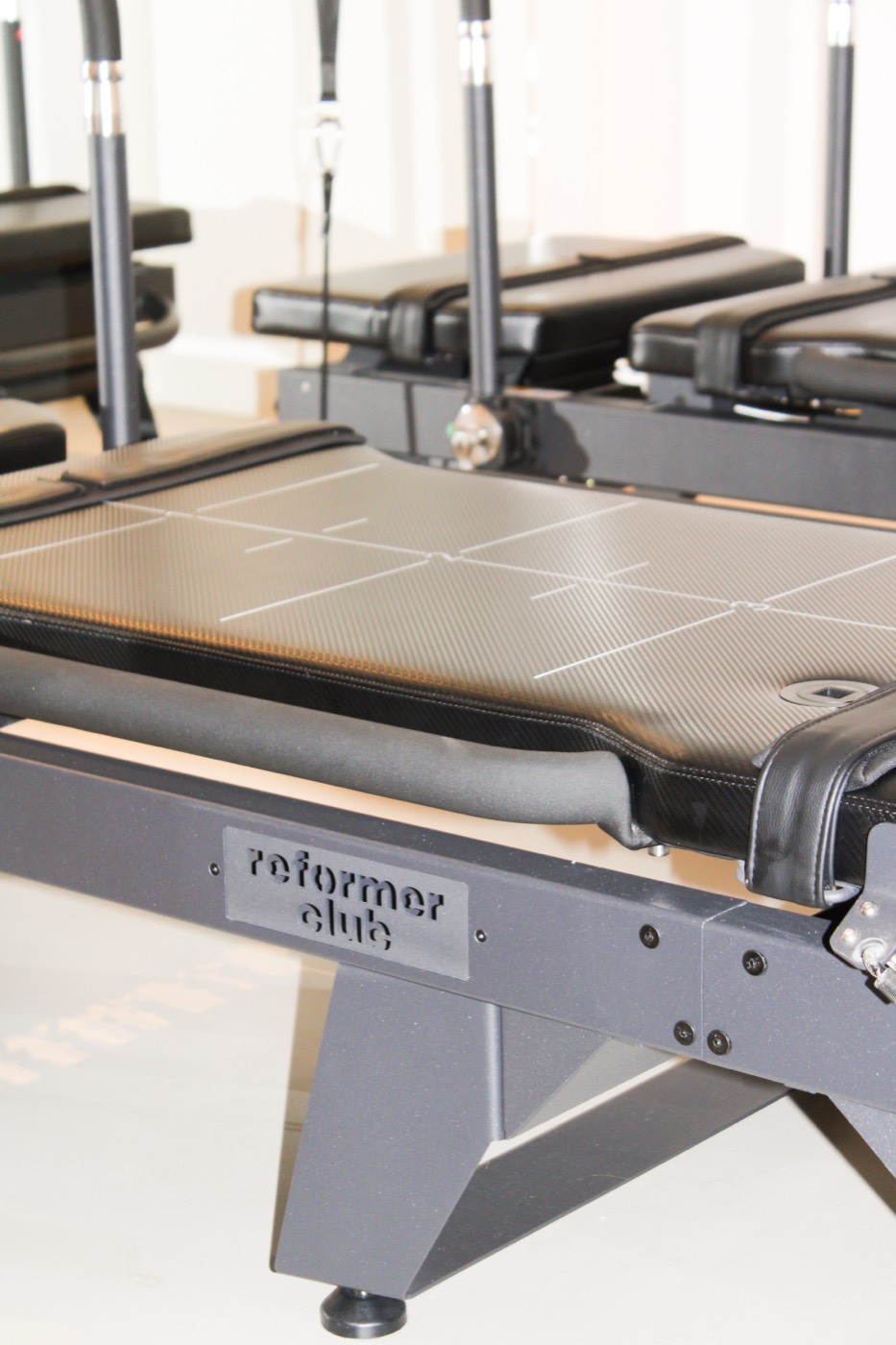
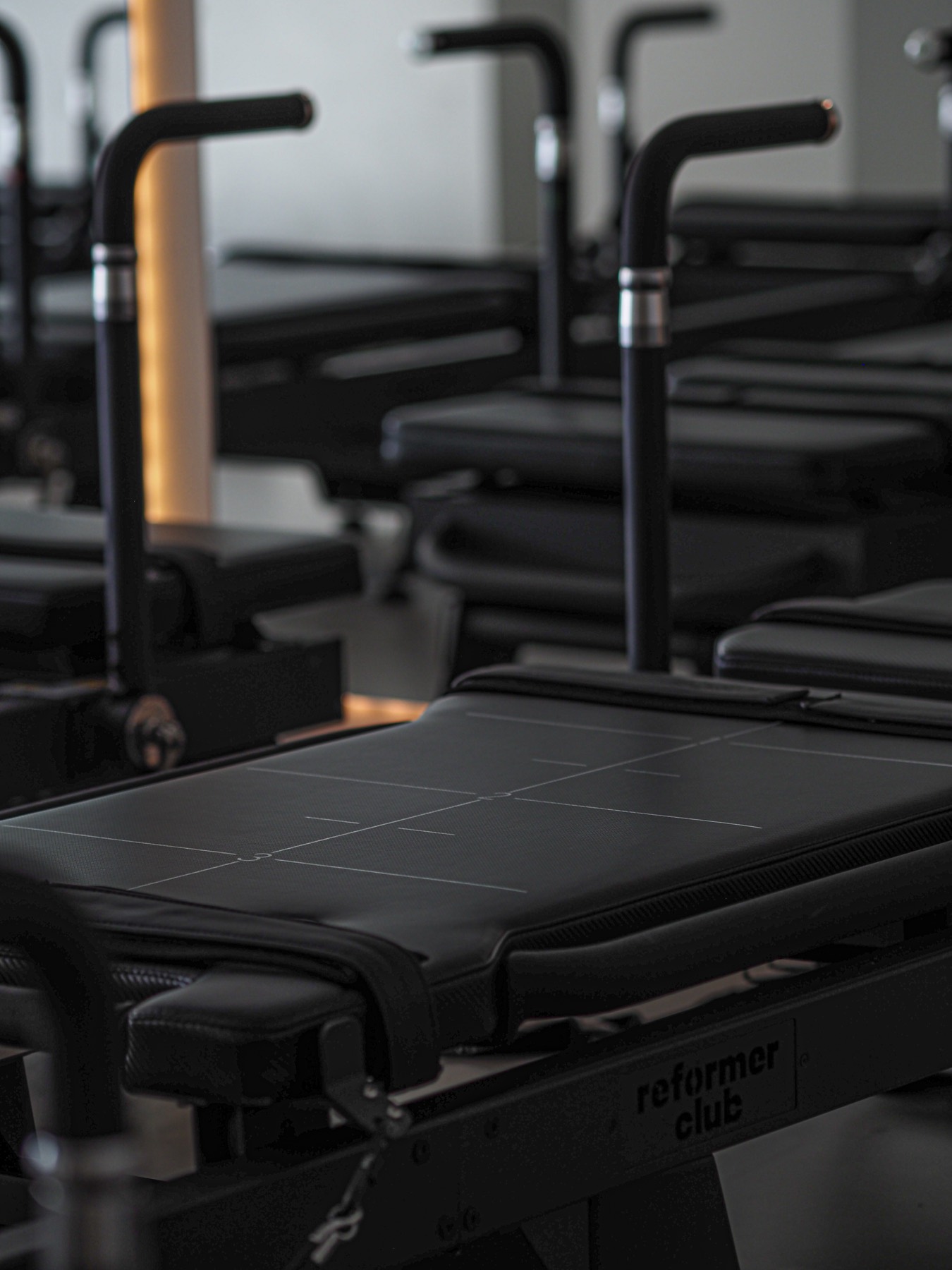
Slow Resistance Training, or SRT, creates challenge differently. On the Reformer, adjustable spring resistance combines with slow tempo, sustained muscular tension and precise positioning. Rather than rushing to complete a repetition, you work to maintain control through every phase of it. A small range, held well, can become remarkably demanding when the muscles have nowhere to hide.
The distinction is not light training versus hard training. SRT can be intense. Traditional weightlifting can be highly controlled. The difference is in the emphasis. Weightlifting often prioritises load moved; SRT prioritises quality of tension, alignment, endurance and control while moving against resistance.
What strength looks like in each method
Strength has more than one expression. Lifting a heavier deadlift, pressing a barbell overhead or completing a controlled pull-up demonstrates maximal or near-maximal force. Traditional weightlifting is particularly valuable if these are your goals, or if you train for a sport that demands explosive output.
SRT develops a different, highly practical form of strength: the ability to stabilise, resist, control and keep working with clean form as fatigue builds. Your deep core, hips, shoulders and smaller stabilising muscles are not treated as an afterthought. They are part of the work from the first repetition.
That matters beyond the studio. Carrying bags without collapsing into one side, sitting taller through a long workday, moving with more confidence on stairs, and maintaining a stable posture under pressure all depend on more than peak force. They rely on coordinated strength.
Neither outcome is superior in every situation. Someone preparing for a powerlifting meet needs specific barbell practice. Someone who wants to feel strong, centred and capable in their everyday body may find that slow, resistance-based Reformer work answers the question more completely.
Tempo changes the experience
In a traditional lifting session, tempo may be controlled, but repetitions are often completed at a natural or purposeful pace. Rest periods between sets allow the body to recover before another effort. There is space to focus on performance in distinct blocks.
In SRT, tempo itself is part of the resistance. Slowing the carriage movement, pausing at the hardest point or returning with control increases time under tension. You are not simply getting from start to finish. You are asked to stay present in the middle, where effort usually becomes most revealing.
This makes each repetition mentally demanding as well as physical. You notice when the ribs flare, the pelvis shifts, the shoulders rise or the movement starts to rely on momentum. The goal is not perfection. It is awareness followed by a better choice on the next repetition.
Joint impact, load and recovery
Traditional weightlifting is not inherently hard on the joints. Well-coached lifting with appropriate loading can be a safe, intelligent way to train. However, heavier external loads raise the consequence of poor form, hurried progression or inadequate recovery. Your joints, connective tissues and nervous system all need time to adapt.
SRT is low impact because there is no jumping or repetitive ground impact, while the spring resistance can be adjusted to suit the movement and the person. The Reformer also offers feedback and support. It can help you find a range of motion that feels stable while still creating challenge.
Low impact does not mean low effort. A slower, well-aligned sequence can create deep fatigue in the legs, glutes, core and upper body without leaving you feeling battered. For busy professionals, frequent travellers, or anyone balancing training with a full Basel week, that can make consistency more realistic.
Recovery still matters. A demanding SRT class can leave muscles tired, especially when you are new to sustained tension or returning after time away. Yet many people find the work easier to integrate alongside walking, cycling, running or other training because it does not require repeated high-impact effort.
Form is not a finishing detail
With traditional weightlifting, sound form keeps force directed where it should be. It allows you to train efficiently and progress with greater confidence. Under a heavy load, technique is a clear safety consideration.
In SRT, form is also the mechanism that creates the training effect. The placement of your feet, the position of your pelvis and the relationship between your shoulders and ribs all influence which muscles take on the work. If alignment disappears, the target area may be bypassed, even if the movement looks larger or faster.
This is why precise instruction matters. At Reformer Club, the class pathway gives clients a clear place to begin and progress. START builds familiarity with the Reformer and the principles of control. SIGNATURE develops strength and endurance through more layered work. BURN asks for greater capacity, focus and stamina once the foundations are established.
The progression is not about proving that you can keep up. It is about earning more challenge with better control. That is a more useful measure of fitness than simply choosing the heaviest resistance available.
Can SRT build muscle?
Yes, SRT can support muscle development, particularly when the resistance, range, tempo and effort are challenging enough for you. Slow resistance work places muscles under sustained tension, and consistent progression asks them to adapt. You may notice firmer legs, a stronger back, more stable shoulders and a core that feels more responsive.
However, if your primary objective is maximum muscle size or maximum strength, traditional weightlifting generally makes load progression easier to measure and scale. Heavier weights offer a direct route to the high mechanical tension often needed for advanced hypertrophy and strength goals.
That is not a reason to dismiss SRT. It is a reason to choose honestly. SRT is exceptionally effective for building strength endurance, posture, body awareness, balance and controlled muscular definition. Weightlifting is often more specific for chasing a new one-repetition maximum. Many people benefit from both, provided their schedule, recovery and goals support the combination.
Choosing the right training for your goal
Choose traditional weightlifting if you are motivated by measurable external load, want to develop maximal strength or power, or enjoy the focused rhythm of sets and rest. It can be a brilliant long-term practice when supported by good coaching and thoughtful programming.
Choose SRT if you want a demanding low-impact session that trains strength with control, improves your connection to posture and alignment, and leaves you feeling worked without being thrown around. It is especially well suited to people who spend long periods sitting, want to rebuild a consistent routine, or value a training method that asks for concentration as much as effort.
You also do not have to choose a side. Two SRT sessions can complement one or two weightlifting sessions by adding controlled core, hip and shoulder work around heavier training. Equally, a strength-trained client may use SRT to refine movement quality and endurance. The balance depends on your experience, energy, injuries, sport and what you genuinely enjoy enough to repeat.
The most useful question is not, “Which workout burns more?” Ask instead: “What do I want my body to do better, and can I train that way consistently?” Start where your current body is, respect the value of good form, and let control be the standard that carries your strength forward.